
CAR: a therapeutic peptide hiding in plain sight?
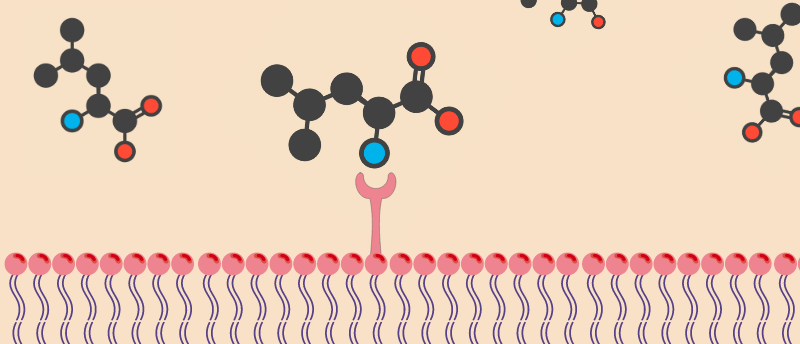
Previously utilized to deliver therapeutic molecules to wounds, researchers have now uncovered how peptides known as CARSKNKDC (CAR), induce wound healing themselves.
A research team, supervised by Tero Järvinen of Tampere University (Finland) and Mark Morgan of the University of Liverpool (UK), has recently reported that a homing peptide – previously used as a delivery vehicle for scar-reducing therapeutics – possesses wound-healing capabilities of its own [1]. This report outlines a promising systemically-administered therapeutic candidate that could address injuries not only in epidermal injury but also in other tissues, like musculoskeletal.
CARSKNKDC (CAR) is a wound-homing peptide – not to be confused with the chimeric antigen receptors used in CAR-T cell therapies – that recognizes angiogenic neovessels, newly formed blood vessels that sprout off existing ones [2].
While the molecule has been previously used to guide scar-reducing therapeutics to their target tissues, the investigators sought to test whether CAR peptides, in the absence of a coupled therapeutic, possess wound-healing capability.
The investigators first tested whether the CAR peptide, administered systemically, affected wound healing. Compared to controls, male mice treated with the peptide had accelerated wound closure and re-epithelization as revealed by both macroscopic and histological observations.
After identifying the enhanced rate of wound healing, the investigators then examined the mechanisms underpinning this effect. Previous research efforts have revealed that CAR peptides require specific cell membrane receptors, called heparan sulfate proteoglycans, to facilitate cell binding and penetration.
The researchers, therefore, turned their attention to a specific receptor in this family, called syndecan-4 (SDC4) and found that when CAR binds this receptor, it is internalized into the cell and a series of intracellular interactions are triggered that induce the migration of keratinocytes – an essential cell for the re-epithelization of damaged epidermis.
These interactions were revealed by in vitro investigations on human keratinocytes (HaCaT cell line); using effector pull-down assays, scratch wound assays and siRNA-mediated knockdown to determine protein interactions and the effect on epithelial cell movement. They demonstrated that CAR binding of SDC4 results in the activation of cytohesin-2 factor, which in turn activates the GTPase AFR6, ultimately triggering cell migration of the keratinocytes.
To confirm these mechanistic findings in vivo, the researchers then examined the effect of the CAR peptide in skin wounds in SDC4-knockdown mice compared to wild-type mice. They confirmed that the wound-healing effect of the CAR peptide is dependent on SDC4, as re-epithelization of the scar in the knockdown mice was significantly less than wild-type mice.
“Syndecan-4-dependent tissue regeneration is a key factor in the healing of several other tissue injuries beyond skin wounds, including muscle ruptures and bone fractures. The CAR peptide we found, which activates this natural healing mechanism, opens completely new possibilities for treating traumas and injuries not only in traumatology but also in surgery and sports injuries. Because the drug molecule actively seeks tissue damage through the bloodstream, the treated injury can be in any part of the body and can be targeted by the CAR peptide therapy,” explains Järvinen.
While this study identifies the potential use of CAR peptides in epidermal injury through systemic administration, the authors note that this study’s 10-day observation period was too short to address the effects of CAR peptides on permanent scar formation and that future studies need to tackle this facet. In addition, tests to establish the regenerative effects of CAR within other tissue types will be required to elicit the full medical potential of this molecule, but for now, this represents a step towards the expansion of the regenerative medicine arsenal.
You may also like:
 Unearthing a therapeutic role for an ancient neuropeptide
A team of researchers have used an evolutionarily conserved neuropeptide, α-melanocyte-stimulating hormone (α-MSH), to restore corneas in mice models of corneal endothelial disease.