
CAR-T design outsmarts solid tumor defenses
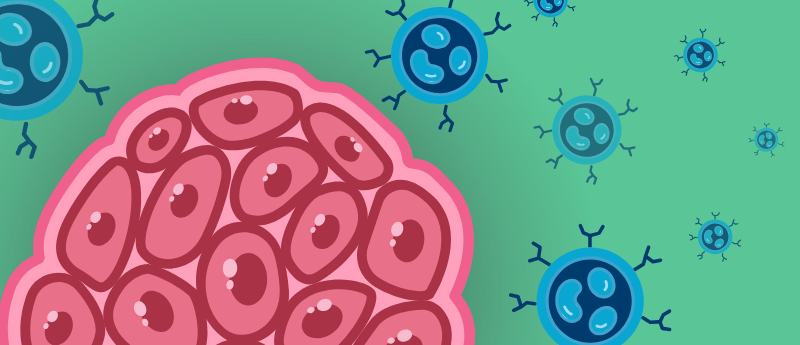
A novel fusion protein approach enables CAR-T cells to target solid tumors effectively while minimizing systemic toxicity.
Researchers from the USC Norris Comprehensive Cancer Center and City of Hope (both CA, USA) have developed an innovative CAR-T cell engineering strategy that addresses one of cancer immunotherapy’s most persistent challenges: treating solid tumors. The team created CAR-T cells that simultaneously deliver interleukin-12 (IL-12) and a PD-L1 inhibitor as a fusion protein, demonstrating significant anti-tumor activity in preclinical models of prostate and ovarian cancer.
While CAR-T therapy has achieved remarkable success in hematologic malignancies, its application to solid tumors has been severely limited by the immunosuppressive tumor microenvironment and potential systemic toxicities. The hostile conditions within solid tumors effectively neutralize T cell function, while systemic delivery of immune-stimulating agents like IL-12 can cause dangerous side effects.
The research team addressed these limitations by engineering CAR-T cells to produce a fusion protein combining IL-12 with a PD-L1 blocker. This design exploits the high PD-L1 expression typically found in tumor environments, ensuring that IL-12 accumulates specifically at tumor sites rather than circulating systemically.
“By designing CAR-T cells that release both IL-12 and a PD-L1 blocker as a fusion protein, we can make the treatment safe and also much more effective, even against tumors that usually resist CAR-T-cell therapy,” explained Saul Priceman, Associate Professor in the Department of Medicine at the Keck School of Medicine of USC.
 Three ways machine-learning and AI are integrating into gene therapy developments
Explore algorithms that predict changes in proteins that may trigger potential immune responses, technologies that enhance mutagenesis methods, and models that streamline research.
In mouse models, the modified CAR-T cells demonstrated potent anti-tumor efficacy against both prostate and ovarian cancers while avoiding the organ toxicity associated with systemic IL-12 administration. The fusion protein strategy effectively concentrated immune activation at tumor sites, where PD-L1 levels are naturally elevated, while minimizing exposure in healthy tissues.
The approach represents a significant advancement in overcoming the immunosuppressive barriers that have historically limited CAR-T therapy in solid malignancies. By linking IL-12 delivery to PD-L1 targeting, the researchers created a self-directing system that enhances T cell function precisely where it is needed most.
“We believe this new strategy will provide a productive boost to current CAR-T-cell therapies and can be applicable to multiple cancer types,” noted John P. Murad, Assistant Professor of Research in the Department of Medicine at the Keck School of Medicine and the study’s first author.
The research team has already initiated testing in pancreatic cancer models and plans to expand investigations to colorectal and brain tumors. The broad applicability stems from the common feature of immunosuppressive microenvironments across different solid tumor types.
Beyond CAR-T cells, the fusion protein strategy may enhance other adoptive cell therapies, including tumor-infiltrating lymphocytes and T-cell receptor-engineered T cells. The team anticipates advancing to clinical trials within one to two years, potentially opening new therapeutic avenues for patients with treatment-resistant solid tumors.