Cell therapy weekly: nanofiber-based cell culture launches in the US

This week: Cellevate (Lund, Sweden) announced the launch of its nanofiber-based cell culture system in the US and the US Food and Drug Administration (FDA; MD, USA) has granted Regenerative Medicine Advanced Therapy (RMAT) designation to a cell replacement therapy for dry age-related macular degeneration (dry AMD) and accepted a Biologics License Application for an in vivo gene therapy to treat Sanfilippo syndrome.
The news highlights:
- Nanofiber-based cell culture launches in the US
- Dry AMD cell replacement therapy receives RMAT designation
- BLA accepted for Sanfilippo gene therapy
Nanofiber-based cell culture launches in the US
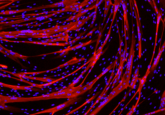
Cellevate, a biotech company developing innovative cell culture systems for the biomanufacturing of cell and gene therapy and novel vaccines, announced the launch of its lead product in the US. The product, Cellevat3d® nanofiber microcarriers, is engineered for stirred tank bioreactors and provide 60 times the surface area of conventional cell culture systems, enhancing yield and productivity in upstream bioprocessing.
At 12pm on Thursday 20 February, the North American Cellevate team is presenting on Cellevat3d at the Viral Vector Process Development and Manufacturing Summit (19-21 February 2025; Boston, MA).
Laura Chirica, CEO of Cellevate, said: “Expanding into the US this soon after our European pre-launch event is a response to the overwhelming market need for innovative, disruptive yet scalable and sustainable technologies in biomanufacturing that provide high yields and faster processes with high productivity. We have the potential to revolutionize cell culture applications with Cellevat3d nanofiber cell culture systems and the therapeutic classes associated with them: at this year’s [Viral Vector Process Development & Manufacturing Summit], we will showcase this.”
Dry AMD cell replacement therapy receives RMAT designation
The FDA has granted RMAT designation to Luxa Biotechnology’s (NJ, USA) cell replacement therapy, RPESC-RPE-4W, for the treatment of dry AMD. It is designed to replace retinal pigment epithelial cells (RPEs) lost due to AMD by utilizing allogeneic RPE stem cell (RPESC)-derived RPE cells isolated from human cadaveric eyes.
Luxa’s Chief Medical Officer, Jeffery Stern, will present data on the safety, tolerability and early efficacy of RPESC-RPE-4W transplantation in the first cohort of dry AMD patients at the 77th annual Wills Eye Conference (6-8 March 2025; Philadelphia, PA).
“This RMAT designation was granted following the FDA’s review of our compelling preliminary Phase I data and underscores the transformative potential of RPESC-RPE-4W in addressing the unmet needs of dry AMD patients who have lost or are losing their vision,” said Keith Dionne, CEO of Luxa. “We look forward to collaborating closely with the FDA to bring this potential paradigm-changing treatment to patients as efficiently as possible, restoring vision and improving the quality of life for millions.”
BLA accepted for Sanfilippo gene therapy
The FDA has accepted Ultragenyx Pharmaceutical’s (CA, USA) Biologics License Application (BLA) for its in vivo gene therapy for Sanfilippo syndrome type A, also known as mucopolysaccharidosis type IIIA.
The gene therapy, UX111, is designed to address the deficiency in SGSH enzyme that underlies the disease. Insufficient SGSH results in heparan sulfate buildup in the brain, leading to cell damage and neurodegeneration. UX111 addresses this by delivering a functional SGSH gene via a self-complementary AAV9 vector in a one-time intravenous infusion.
Ultragenyx’s CEO and president, Emil Kakkis, stated: “Acceptance of the UX111 BLA brings us closer to being able to provide a first-ever treatment for Sanfilippo syndrome type A and, if our application is successful, we’re prepared to launch this therapy for patients and their families. By reaching alignment with the Agency on a path forward for accelerated approval in neuronopathic [Mucopolysaccharidosis] diseases, our UX111 program could serve as a step towards advancing drug development across multiple metabolic diseases of the brain.”