CIBA: transforming cell therapy delivery for external lung support
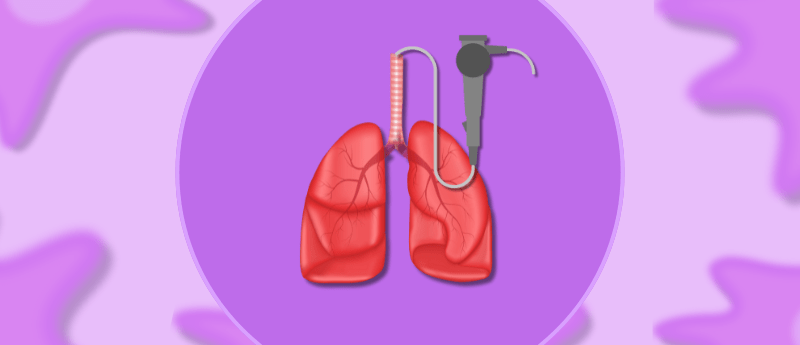
A novel method could pave the way for direct delivery of cell therapies into the lungs of patients receiving respiratory life support.
A clinical team from the Institute of Bioengineering at Miguel Hernández University of Elche (UMH; Alicante, Spain) has developed a novel method for delivering mesenchymal stromal cell (MSC) therapy to patients with severe lung failure. Their method could address a major limitation in treatment options for those dependent on the extracorporeal membrane oxygenation (ECMO) life support machine where therapeutic interventions may not be an option.
For patients with end-stage lung disease who cannot undergo lung transplantation and require ECMO support, therapeutic options are limited. While MSCs have shown promise in modulating inflammation by promoting M2 macrophage activation, suppressing pro-inflammatory cytokines and facilitating tissue repair, intravenous infusion poses a risk of clogging the gas-exchange membranes of the ECMO machine and compromising patient safety.
Seeking an alternative method for delivering cell therapies to patients on ECMO, the team developed CIBA – consecutive intrabronchial lobe-by-lobe administration. CIBA enables targeted delivery of therapeutic cells while bypassing systemic circulation and allows for the sequential administration of MSCs into each lung lobe. The CIBA method builds on positive results from infusing adipose-derived MSCs into the lungs of critical COVID-19 patients, leading to significant clinical improvements.
“Imagine watering a fragile plant, but the watering can would flood it,” explained Bernat Soria, who led the study. “CIBA allows us to drip-feed the therapy gently and exactly where it’s needed – right into the lungs.”
Intrabronchial administration of MSCs promotes immunological tolerance by allowing the cells to migrate through damaged alveoli into the interstitial space, where they can support cell signaling and facilitate molecular exchange. Additionally, this method allows MSCs to target bronchus-associated lymphoid tissue, which contains immune cells. This process shifts macrophages from a pro-inflammatory (M1) state to an anti-inflammatory (M2) state, reducing tumor necrosis factor-α, increasing interleukin-10 and regulatory T cells, potentially decreasing inflammation and fibrosis.
Priming MSCs for user-friendly action: an interview with Lindsay Davies
Lindsay Davies discusses the development of MSC-based therapies for autoimmune and inflammatory diseases.
The researchers applied the CIBA method to a 2-year-old with end-stage interstitial lung disease, who had been on ECMO for three months and had no other treatment options due to ineligibility for lung transplant or clinical trials. The UMH team harvested Wharton’s jelly-derived MSCs from donated umbilical cord tissue and prepared them in a physiological solution containing 1% dimethyl sulfoxide. While the patient was sedated, the solution was administered using the CIBA method.
The patient tolerated the procedure well; within 72 hours, they no longer required mechanical ventilation, although ECMO support continued. The team monitored progress with regular front-facing chest X-rays taken while the patient was standing, taking care to minimize radiation exposure. Additionally, the MSCs did not enter the bloodstream or interfere with the ECMO gas-exchange membrane, demonstrating the CIBA method’s ability to avoid ECMO-related risks.
However, despite the initial improvement, the patient’s condition declined four weeks after the treatment. After 127 days on ECMO, support was withdrawn per the family’s wishes.
“CIBA did not cure the underlying disease,” said Soria. “But it demonstrated, for the first time, that cell therapies can be delivered safely in ECMO patients. That’s a breakthrough. We now have a new therapeutic door to open.”
Importantly, the team chose not to patent the CIBA method to keep it accessible.
“Advanced therapies are already expensive enough,” Soria added. “We chose not to patent this technique because it should reach patients without adding more cost. We’re committed to public science with direct clinical impact.”
As systemic delivery remains unsuitable for many ECMO patients, CIBA could represent a significant advancement in regenerative treatment for acute respiratory failure, offering new hope for patients who previously had no viable therapeutic options.