
Decades of discovery: the iterative nature of cell therapy development
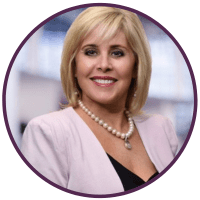 We spoke with Bambi Grilley, Director of Clinical Research and Early Product Development at Baylor College of Medicine (TX, USA) about the how she got into the cell and gene therapy industry and the differences between working with cell-based therapeutics versus pharmaceutical products, as well as sharing some of her highlights from this year’s Annual Meeting of The International Society for Cell and Gene Therapy (ISCT; 31 May-3 June; Paris, France).
At ISCT Bambi is Chief Regulatory Officer, Chair of the North American Legal and Regulatory Affairs and Chair of the Global Regulatory Task Force.
You’re a pharmacist by training. What got you into the cell and gene therapy space?
I started as a standard pharmacist at MD Anderson Cancer Center (TX, USA), so I was already in the arena of oncology, where I think that we’ve known for a long time that chemotherapy is not curative for cancer. I became increasingly interested in research, and in pursuing new routes, and I think cell and gene therapy at the time was very promising. So to move into advanced therapies was a natural extension of what I was already doing, which is helping people deliver the correct treatments to patients to hopefully cure them, and cell and gene therapy allows us to do that.
It’s been interesting because the longer I’m in the field, the more I see that what I learned as a pharmacist about process and delivery is still equally important in cell and gene therapy. I think that connection is not inherently obvious to everyone involved in cell and gene therapy development because they don’t all come from a background that focuses on getting the drug into the patient. I feel like in some ways I can help bridge that gap a little bit and help us get therapies where they need to go.
What is the difference between working with cell therapies versus pharmaceutical products?
I would say the real difference is that the majority of pharmaceutical products can be delivered in a truck or a train over several days. Biologics, on the other hand, are incredibly fragile and (for the most part) have to be frozen. So that makes the logistics a lot more complicated.
That’s why when we’re at this meeting and having these debates. For example, the debate about autologous and allogeneic cells. Even though ultimately the cells are equally fragile, at least with allogeneic cells you don’t have to worry about the added complexity of having to retrieve cells from the patient, process them and then return them. So you take one logistic concern out.
Overall, cell therapies are a lot more complicated. But we have the benefit of having pharmaceuticals as our baseboard and we can leverage those already established practices. We’re not starting from scratch.
What can you tell us in advance of the roundtable session that you’re taking part in tomorrow on regulating MSC clinics?
I think that it’s a long time coming. MSCs have been in around for a long time and we still don’t have one that’s made it to market. I think that we’re all eager to see what’s keeping that from happening. I think it’ll be an interesting talk, and I’m equal parts anxious and excited about it.
You’ve been involved in a huge number of clinical trials. Is there one that stands out to you as particularly impactful?
I have been involved in over 100 Investigational New Drug applications and one of the things I love about this field is that the majority of the science builds off itself. You’ve probably noticed that in the sessions. At every stage of the process, researchers and developers are trying different approaches to find what works. It’s very iterative. At the Center for Cell and Gene Therapy, we’ve always called those serial Phase I studies.
We have had a few products where it works the first time and they’ve progressed to market. But I think the more interesting thing is whether you have a trial that works or doesn’t work, you learn a lot from that, and then you go back and you tweak it again and again and again. I would say that some of my products I’m still working on 25 years later, just in a different iteration and they’re all equally satisfying.
What has been your favorite part of ISCT?
Being involved in the Global Regulatory Summit on Tuesday was probably the pinnacle of my career. To be in the room with 14 regulatory agencies having a real discussion with high-level people, not just listening to them present slides. I’m so grateful to ISCT for giving me these opportunities and I love coming here and meeting people that I’ve read about. I’ve read their articles, I’ve seen their science, and to run into them and get the chance to speak with them in person is such a treat. This is such a fabulous organization.
Disclaimer
The opinions expressed in this interview are those of the interviewees and do not necessarily reflect the views of RegMedNet or Future Science Group.