Dermatology: ask the experts
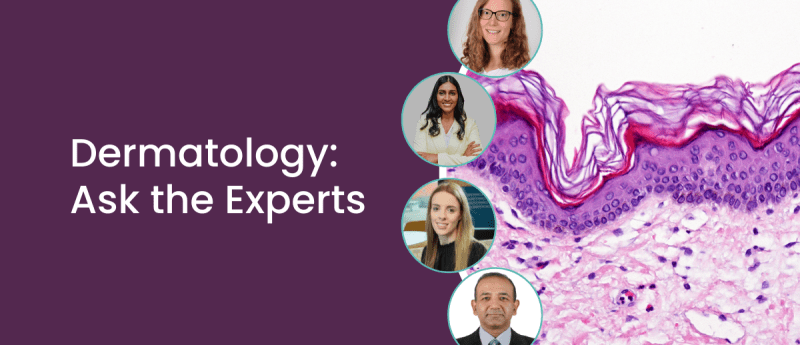
In this ‘Ask the experts’ feature, we have brought together a panel of experts from across the industry to share their current perspectives on regenerative medicine approaches in dermatology. For example, what are the limitations of current dermatology research approaches? How does a regenerative medicine-based approach differ from conventional treatments for skin diseases and wound healing? How do 3D skin models improve our understanding of human skin? Discover more on the topic with our panel of thought leaders, featuring Eva Morgenstern (PromoCell; Heildelberg, Germany), Holly Wilkinson (Hull York Medical School; York, UK), Sandeep Arora (Mehektagul Dermaclinic; New Delhi, India) and Saranya Wyles (Mayo Clinic Regenerative and Skin Longevity Laboratory; MN, USA).
 Eva Morgenstern
Scientific Support Specialist
PromoCell GmbH
Eva Morgenstern is a Scientific Support Specialist at PromoCell (Heidelberg, Germany), a provider of primary, stem, blood and immune cells, as well as optimized cell culture media systems. Before she joined PromoCell, Eva worked on her PhD at the University of Regensburg (Regensburg, Germany) where she was investigating the roles of long non-coding RNAs in regulating epidermal homeostasis of human skin. Using organotypic model systems she showed that these specific RNA molecules participate in controlling the intricate balance between progenitor cells in the basal layer and highly differentiated cells forming the functional permeability barrier of the epidermis.
Since joining PromoCell’s Scientific Support team in 2024, she is working closely with clients from pharmaceutical, cosmetics and biotechnology industries as well as university laboratories.
 Holly Wilkinson
Associate Professor
Hull York Medical School
Holly Wilkinson is an Associate Professor in Wound Healing at the Hull York Medical School (Hull, UK) with a passion for driving research collaborations between academia and industry. During her research career, she has developed a range of translational skin models to assess the efficacy of novel therapeutics. Holly’s research interests lie in understanding how cellular senescence and immune dysfunction drive skin pathology and poor wound repair. She is also developing cutting-edge microbiome-based approaches to explore the role of the microbiome in wound healing and assess the efficacy of novel antimicrobials for wound infections.
 Sandeep Arora
Senior Consultant
Mehektagul Dermaclinic
Sandeep Arora is a practicing dermatologist with 25 years of experience. During this time, he has worked in various capacities within clinical and aesthetic dermatology. Sandeep was the Professor and Head of the Department of Dermatology at Command Hospital Air Force (Bengaluru, India), Army Base Hospital and Army College of Medical Sciences (both New Delhi, India).
Presently, he is engaged in private practice, offering comprehensive dermatology care in both conventional and aesthetic dermatology. His aesthetic dermatology practice includes regenerative medicine, particularly in hair restoration, scar revisions and skin resurfacing.
 Saranya Wyles
Director
Mayo Clinic Regenerative and Skin Longevity Laboratory
Saranya Wyles is the Director at Mayo Clinic Regenerative Dermatology and Skin Longevity Laboratory (MN, USA). Saranya is the Assistant Professor of Dermatology and Regenerative Medicine. She is responsible for the planning and execution of the National Institute of Health-funded laboratory’s multifaceted preclinical and clinical programs focused on regenerative biotherapies for inflammatory and age-related skin conditions. Her primary objective as director is to design new 3D bioprinted skin aging and skin disease models to replace, reduce and refine (3R) animal models in preclinical testing in alignment with FDA initiative.
At Mayo Clinic, Saranya also serves as Associate Education Director at Center for Regenerative Biotherapeutics where she is responsible for developing new training platforms in regenerative sciences for the next-generation healthcare workforce. Before joining Mayo Clinic, Saranya pursued a research fellowship at the Harvard Stem Cell Institute (MA, USA). She received her MD-PhD from Mayo Clinic (MN, USA). She is a board-certified dermatologist and completed a Mayo Scholar fellowship at Wake Forest School of Medicine (NC, USA) and King’s College London (UK).
How has the relevance of regenerative medicine in dermatology research evolved over the past decades?
Eva Morgenstern (EM): Over the years, human skin has become an attractive model system for regenerative medicine due to its easy accessibility and the immense range of skin disorders researchers can focus on. When we think of regenerative medicine in dermatology, skin grafts for burns often come to mind, a practice dating back thousands of years.
However, the dermatology scope has since expanded to address a broad range of areas, including acute trauma, chronic wounds, genetic diseases, various types of cancer and – not to forget – skin aging. We have witnessed how expanding the areas we address has led to studies exploring and diversifying therapeutic approaches. Recent advances in materials science and cutting-edge technologies like CRISPR/Cas9 and 3D bioprinting have significantly accelerated research. One of the latest achievements of regenerative medicine in dermatology is the US Food and Drug Administration’s (FDA; MD, USA) approval of a gene therapy to treat a rare skin disease, dystrophic epidermolysis bullosa, which was unthinkable just a few years ago.
Holly Wilkinson (HW): Regenerative medicine has become increasingly relevant to the dermatology field because the skin is an organ and where such approaches can target a wide range of dermatological concerns, from alopecia to skin aging and wound healing. Traditionally, regenerative medicine in dermatology was largely limited to the use of scaffolds and skin grafts to heal complex injuries. Nowadays, this has been extended to include advanced approaches, including stem cell transplants, the use of platelet-rich plasma and gene therapy. While these treatments are becoming more easily accessible, especially in the cosmetics field, their clinical use remains limited due to the lack of clinical evidence. We therefore need more large-scale clinical studies to accelerate the integration of regenerative medicine-based therapies into the clinic.
Sandeep Arora (SA): Regenerative Medicine was introduced to dermatology with platelet-rich plasma and the humble initial microneedling device in the early years. Since then, particularly in recent years, there has been an exponential increase in knowledge and research in this field. Although still in its nascent stages of adoption, dermatology research has shifted from growth factors in platelet-rich plasma, growth factor concentrates and injectable platelet–rich fibrin to focus on fat and its components. The latest development in its evolution is the increased research into extracellular vesicles and their role in skin disease and aesthetics.
Saranya Wyles (SW): Regenerative medicine is transforming 21st century healthcare, which is directly relevant to dermatology, a specialty that focuses on skin, hair and nail health. Regenerative medicine is rooted in the principles of helping the body heal itself. In dermatology, the regenerative toolkit involves using cellular tools (stem cells), gene editing tools (CRISPR-Cas9) and acellular tools (platelet-rich plasma and exosomes), among others. It is important that these treatments are based on science-driven, responsible and regulated translation for medical, surgical or cosmetic dermatology procedures.
What are the limitations of current dermatology research approaches?
EM: When it comes to skin loss caused by infections, diseases or trauma, the gold standard therapy is a combination of wound care and autologous skin grafting. Despite great success, this approach has some disadvantages such as pain and limited supply of donor-derived autologous skin. The main drawback, however, is that these current limitations, mostly conventional therapies, can hardly be overcome by further research efforts. Of course, progress can be made when researchers develop improved ointments or new immunosuppressive drugs so we can use allografts to address the donor skin shortage. Nevertheless, conventional therapies almost always result in poor functional and cosmetic outcomes, in part due to the limitations in current in vitro research models, which often do not aim for more than simple wound closure and do not consider all the processes involved in vivo. Therefore, we require bolder and more complex research approaches itself which are addressed by regenerative medicine.
HW: As a research community, we continue to innovate to develop new diagnostic and therapeutic approaches to improve patient outcomes. Nevertheless, there are a number of challenges that can hinder this innovation. One important limitation is that current pre-clinical models demonstrate poor clinical predictivity. While we have made considerable progress in laboratory model development, there is a clear need to increase the translational applicability of our current skin and wound models and make them more widely accessible across the research community.
Additionally, we must ensure that the correct conclusions are drawn from experimental studies and that data is collected and interpreted in a non-biased manner. This is particularly important given that we now have access to advanced omics technologies and artificial intelligence. Key integration between study teams is not only required to ensure reliability and reproducibility but will also increase the wider applicability of research findings for subsequent patient benefit.
SA: A major limitation in dermatology research approaches is the reliance on pure clinical outcomes of interventions without laboratory parameters to support evidence. Although achieving this is easier said than done, the availability of quality research laboratories to back up data and evidence needs objective parameters, which, unfortunately, may not be available in entirety in the field of regenerative medicine.
SW: Current dermatology research is constrained by the traditional care model, which focuses on treating symptoms and managing chronic skin conditions rather than addressing root causes. By contrast, regenerative dermatology offers a transformative, curative shift to restore the structure and function of the skin and hair. This emerging field harnesses advanced techniques to rebuild damaged skin and restore hair, aiming for long-term solutions rather than temporary relief, marking a transition from palliative care to curative interventions in dermatology.
How does a regenerative medicine-based approach differ from conventional treatments for skin diseases and wound healing?
EM: Regenerative medicine goes beyond the symptomatic treatment of conventional therapies. In addition to merely avoiding wound infection and aiming for wound closure in the case of skin wounds, research in regenerative medicine strives to completely restore the physiological functions. Regenerative medicine uses advanced approaches like stem cell technology, gene therapies, administration of growth factors and tissue engineering. All these options and combinations thereof, are well on the way to becoming phenotypically and functionally almost as good as healthy skin, which sets them apart from conventional therapy.
One example of this is chronic wounds. Current treatments are often limited to wound cleansing and debridement. In contrast, regenerative medicine targets the root cause of impeded healing in many chronic wounds, such as reduced oxygen and nutrient supply due to restricted blood circulation. In promising studies, growth factors are isolated from the patient’s blood and injected into the wound to trigger angiogenesis and permanent wound healing.
HW: In wound healing, treatment often begins with cleaning and debriding the wound, followed by using low-cost dressings to manage exudate and prevent infection. In complex cases, more advanced wound care therapies are employed, such as negative pressure wound therapy, which removes exudate, increases blood flow and draws the wound edges together. Despite negative pressure being available as a therapy for over 20 years, we are only just beginning to realize the cellular benefits of negative pressure with the help of multidisciplinary research efforts.
Regenerative medicine-based approaches differ from conventional treatments as they are designed to regenerate, rather than merely repair, tissues. These approaches employ the use of biological materials such as scaffolds, cells and growth factors or the targeting of biological processes such as small molecules or gene therapies. These sophisticated biological approaches are used quite extensively for tissue trauma and reconstruction but are employed much less in wound care. This is due to the limited understanding of the pathophysiology of poor skin healing and the associated challenges of developing, translating and implementing such treatments in a market dominated by low-cost dressings.
SA: Conventional treatments of skin diseases rely on a cause-effect relationship of the skin in direct response to the drug administered. Similarly, in wound healing, conventional treatments allow the skin to ‘heal’ by utilizing its own resources and the body’s natural response to healing, which is typically slow and a graded response. This approach, therefore, has limitations to the process of speed as well as the end result. Regenerative medicine, on the other hand, provides a ready cocktail of necessary ingredients at the site of disease and injury, speeding up the process of healing and disease resolution.
Is it safe? As compared to conventional treatments, if the regenerative source is autologous, it is safe. However, exploring non-autologous sources such as exosomes needs further research.
SW: A regenerative medicine-based approach addresses the root causes of skin diseases to promote natural tissue regeneration, rather than just repairing existing damage as a temporizing measure. While conventional treatments aim to manage symptoms, regenerative therapies, such as stem cell treatments, tissue engineering and gene therapy, work to restore or replace damaged tissues at a cellular level. For example, topical gene therapy (COL7A1) for dystrophic epidermolysis bullosa, which received US FDA Regenerative Medicine Advanced Therapy approval, exemplifies how regenerative strategies can target underlying genetic defects to improve outcomes for wound healing and skin disease management.
How do 3D skin models improve our understanding of human skin?
EM: In order to develop new therapeutic approaches in skin-related regenerative medicine, we must first explore fundamental questions addressing skin homeostasis, diseases and wound healing. However, findings in animal models cannot be translated to humans as their skin differs from ours. On the other side, 2D human cell culture systems fall short in mimicking the complex native physiological and structural cellular environment. That’s where 3D models come in – they replicate the microarchitecture of skin, providing a more accurate representation. Additionally, organotypic skin models allow coculture of a wide variety of primary cell types, such as those we at PromoCell have in our portfolio. Correspondingly, we can understand the complex crosstalk among different cell types of human skin, such as keratinocytes, melanocytes and fibroblasts. These 3D models not only help researchers understand human skin physiology but also develop and test new treatments in regenerative medicine.
HW: Human skin is a complex organ composed of multiple cell types, appendages and extracellular matrix (ECM) components. As the primary barrier to the external environment, the skin must also maintain sophisticated repair processes governed by cellular plasticity and communication. 3D skin models provide researchers with the opportunity to functionally evaluate putative factors linked to skin homeostasis, repair and pathology. At a minimum, these models include an epidermal layer containing keratinocytes and a dermal matrix including fibroblasts, which provides a more native skin environment than assessing cell monolayers in 2D culture. More advanced models now incorporate skin appendages, blood vessels and immune cells.
In these models, cells can be engineered to lack or overexpress therapeutic targets to determine their role in skin development and repair. Cells can also be isolated from different patient cohorts and incorporated into 3D skin constructs to evaluate the intrinsic mechanisms and functional consequences of skin pathology. Additionally, skin models also offer a platform to test the safety and efficacy of topical formulations. Moreover, combining these models with cutting-edge imaging and multi-omics approaches is beginning to provide researchers with unprecedented insight into the skin’s microenvironment.
SA: Traditional 2D skin models limit the understanding of human skin. In contrast, 3D skin models help understand the 3D skin architecture, inter-cellular interactions and cellular-matrix interactions. It helps understand and predict skin response to injury, disease and adverse physiological conditions. These models help predict in vivo responses to drugs and cosmetics as well as serve for drug penetration studies, disease models for malignancy or immunological studies.
SW: 3D bioprinting is an exciting technology that can revolutionize the understanding and approach to the treatment of skin diseases, such as atopic dermatitis or eczema. 3D skin models help replicate the complex human skin structure and function. With enabling technologies, such as 3D bioprinting, one or more skin cell types embedded in a biomaterial, known as bioinks, can be precisely placed in a customizable scaffold matrix with complex geometries that align with true human skin architecture. The ability to produce in vitro models with increased material and cellular complexity portends exciting applications in personalized regenerative medicine, including therapeutic drug and cosmetic actives screening. [1]
What is the role of the extracellular matrix in wound healing and how do regenerative medicine approaches target extracellular matrix remodeling in human skin?
EM: The ECM provides a structural scaffold for surrounding cells. Its most abundant protein, collagen, is important for skin homeostasis as it provides attachment sites and growth factors. The wound healing process is highly dependent on the interaction between proliferating cells and the ECM to rapidly close the wound by ingrowing keratinocytes. However, in many traumatic or chronic wounds, the ECM itself is damaged to an extent where it can no longer positively support the healing process. Regenerative medicine aims to replace the ECM by utilizing synthetic scaffolds or natural substitutes from animals, where the tissue is cleared of cellular components leaving only the ECM. This is then implanted in the patient to restore the skin’s structural integrity.
HW: The ECM plays several roles in the repair process. One of its most important roles during early healing is to act as a scaffold to enable cell migration. Cell migration is crucial for preventing infection and enabling timely wound closure. Remodeling of the ECM is also required to limit fibrosis and return the structural integrity of the skin. Regenerative medicine approaches, such as using biological scaffold materials, can aid the formation of the natural ECM by enabling the infiltration of cell types that stimulate ECM deposition. Incorporating growth factors into scaffolds can also stimulate reparative cell behaviors, including proliferation, differentiation and further ECM deposition. These scaffolds can also be modified to alter their biomechanical properties, which in turn, will fine-tune cellular responses. In addition, engineered scaffolds are critical for the delivery and retention of implanted stem cells required to repair and regenerate tissues.
SA: The ECM is responsible for forming the architectural support to the healing tissue by providing a scaffold. This scaffold provides structure for the adherence of cells, is involved in cellular signaling, binding of and regulating growth factors. The ECM is continuously remodeled as wound healing takes place. This remodeling is essential for the wound to regain its tensile strength and return to near normal form and function.
As remodeling occurs, growth factors, ECM proteins and enzymes are continuously needed. Regenerative medicine modalities aim to provide a variety of these proteins and growth factors readily for ECM formation as well as remodeling. There also exists a reciprocal interaction whereby the ECM regulates the growth, differentiation and homeostasis of stem cells, which otherwise lose their regenerative properties, thus helping conserve tissue form and function.
SW: The ECM plays a crucial role in wound healing by communicating with surrounding cells to maintain skin homeostasis and regulate cellular processes such as cell migration, proliferation and differentiation. Regenerative medicine supports ECM remodeling to enhance wound healing processes. For example, emerging exosome therapies deliver bioactive molecules that can influence ECM dynamics. Regenerative biotherapies can specifically target ECM components, such as collagen and elastin, optimizing outcomes in skin regeneration and wound healing.
What are the biggest challenges in translating lab results into therapeutic approaches in dermatology and how are these being addressed?
EM: The greatest strength of regenerative medicine in dermatology is also its greatest weakness: the highly personalized nature of treatments. The preparation of suitable patient-derived stem cells or targeted gene therapies is time-consuming and technically very complex. Individual skin grafts, such as those made from synthetic biomaterials tailored to the specific wound, also require some lead time. It’s important to recognize that regenerative medicine is not the sole solution but rather complementary to conventional therapies. Conventional therapies are still essential to bridge the gap and to stabilize patients, while advanced therapies like 3D-printed skin or gene therapies are being prepared. The combined effect of both approaches, which are both constantly being further developed, offers the best chance for patient recovery.
HW: One of the biggest challenges in translating laboratory results to the clinic is the lack of predictive translational skin models. Existing pre-clinical models often show poor predictivity leading to low rates of successful clinical translation. Thus, there is a need to continue to develop the models that we are using so they become more predictive. Indeed, access to the latest multi-omics technologies will provide new insight into the biological mechanisms of human skin pathology and repair, which will uncover more predictive targets and translational opportunities.
There is also a need to increase the standardization, reporting and reproducibility of pre-clinical studies to increase their translational potential. Many funding bodies, publishers and wider authorities are now beginning to address this through changes in policies and procedures. We also need to increase dialogue between various stakeholders in areas such as industry, academia, clinical and regulatory, during the early stages of pre-clinical research to ensure that the key barriers to translation are addressed.
SA: Translating laboratory results into therapeutic approaches requires an adequate quality and quantity of the regenerative product. While this works for a laboratory study, translating it into large-scale production while maintaining standards is a limitation of large-scale application. Optimization of the cellular source, dose and administration intervals in individuals is now being assessed as they are administered in individuals. However, given the consistency of regenerative products, addressing this limitation will take time.
SW: Translating discovery science into clinical application in regenerative dermatology faces challenges like ensuring safety, efficacy and scalability. The FDA has stringent regulations to safeguard public health, requiring robust clinical evidence before approval. The FDA Regenerative Medicine Advanced Therapy designation helps expedite the development of promising therapies by offering regulatory support and accelerated pathways. Achieving FDA approval for emerging regenerative biotherapies is essential prior to clinical use. Addressing these challenges involves rigorous testing, regulatory compliance and collaboration between researchers, clinicians and regulatory bodies to guarantee safe and successful therapeutic translation.
Disclaimers
The opinions expressed in this interview are those of the interviewees and do not necessarily reflect the views of RegMedNet or Taylor & Francis Group.
This feature was produced in association with PromoCell.
In association with