Genetic screening reveals new pathways to improve CAR-T therapy

A novel CRISPR screening method has identified genes that may improve the persistence and function of CAR-T cells.
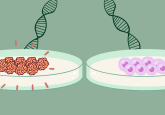
Researchers from Mass General Brigham (MA, USA) and the Broad Institute of MIT and Harvard (MA, USA) have identified key genetic modifications that can significantly improve chimeric antigen receptor (CAR)-T cell therapy for cancer treatment, particularly for multiple myeloma. The team used CRISPR gene editing technology to systematically identify genes that influence T cell function, persistence and anti-tumor activity.
CAR-T therapy has demonstrated remarkable effectiveness in treating blood cancers, however, its success has been limited in solid tumors and in patients with relapsed or refractory multiple myeloma, where the gradual decline in the number of circulating CAR-T cells frequently leads to disease recurrence. To tackle this issue, this study aimed to identify genes in CAR-T cells that may improve persistence and function.
The research team developed a novel approach that tracked genetically modified CAR-T cells throughout their entire lifecycle. They performed CRISPR screening targeting 135 genes in human donor-derived CAR-T cells, then evaluated these modified cells both in laboratory cultures and in living mouse models. Cell performance was tracked for up to 21 days in a mouse model of multiple myeloma. This comprehensive approach allowed researchers to identify genetic modifications that would have been impossible to discover through traditional methods or through in vitro testing alone.
“We performed a screen over the entire lifecycle of a T cell, co-culturing them with cancer cells, and then took the work a step further by transferring the cells to an animal model,” said co-senior author Robert Manguso, researcher at the Krantz Family Center for Cancer Research at Massachusetts General Hospital, a founding member of the Mass General Brigham healthcare system, and director of the Tumor Immunotherapy Discovery Engine at Broad. “We discovered important regulators in vivo that we could not have predicted from the in vitro results.”
Marcela Maus, co-senior author and director of the Cellular Immunotherapy Program at the Mass General Brigham and an associate member in the Broad’s Cancer Program added: “Testing individual genetic modifications to find those that enhance CAR-T function would take a huge amount of time and money. Our approach lets us test hundreds of changes at a time.”
 Unlocking the anti-tumor potential of CD4 T cells
How can CD4 T “helper” T cells be leveraged for advanced therapeutics for cancer treatment?
The most significant discovery was that deleting the cell cycle regulator gene CDKN1B dramatically improved CAR-T cell performance by increasing cell proliferation. enhancing long-term persistence in the body and boosting anti-tumor activity against multiple myeloma.
The research also revealed important nuances in how genetic modifications affect CAR-T cells. Some genes (like RASA2 and SOCS1) enhanced T cell expansion in laboratory cultures but showed limited benefit in living organisms. Other genes (PTPN2, ZC3H12A, and RC3H1) provided early growth advantages to CAR-T cells in the body, while CDKN1B emerged as uniquely valuable for long-term CAR-T cell persistence and function.
The research team suggests that modifying the CDKN1B gene in CAR-T cells may significantly improve therapeutic results for individuals suffering from multiple myeloma and propose that applying their innovative screening approach in subsequent research could lead to enhanced immunotherapy treatments for various other cancer types.