Industry updates with Dusko Ilic: July 2021

Read highlights from the latest installment of Dusko Ilic’s industry news, which discuss the latest developments and news in regenerative medicine and stem cell research, and are published every month in Regenerative Medicine.
Every month, Dusko comments on regenerative medicine industry news of note. Read the full update for July 2021 in Regenerative Medicine here >>>
What happened this month that you were expecting?
WHO recommendation for human genome editing
In December 2018, the World Health Organization established a global, multidisciplinary Expert Advisory Committee on Developing Global Standards for Governance and Oversight of Human Genome Editing to examine the scientific, ethical, social, and legal challenges associated with human genome editing (somatic, germline, and heritable).
The committee produced a series of recommendations in nine discrete areas: 1. Leadership by the WHO and its Director-General; 2. International collaboration for effective governance and oversight; 3. Human genome editing registries; 4. International research and medical travel; 5. Illegal, unregistered, unethical or unsafe research and other activities; 6. Intellectual property; 7. Education, engagement and empowerment; 8. Ethical values and principles for use by WHO and 9. Review of the recommendations.
The recommendations were released in two separate reports on July 12, 2021.
What happened that surprised you this month?
Switching gears
Astellas (Japan) started to focus on mitochondrial diseases several years ago when it acquired Mitobrige (MA, USA) and established it as an Astellas company. They develop several small molecules, mainly PPARd modulators, which are now in clinical trials. The acquisition of Minovia (Israel) came as a bit of a surprise. Minovia’s investigational proprietary cell therapy, Mitochondrial Augmentation Therapy (MAT), enriches the patient’s autologous hematopoietic stem and progenitor cells with healthy mitochondria isolated from an allogeneic or syngeneic source. This is a sharp turn that is part of a strategy to tackle mitochondrial disorders.
If we only read about one story this month, what should it be?
A cool way of bringing hope to people living with rare diseases
I was completely unaware of the Rare Disease Company Coalition until I stumbled upon the name in an Atara Biotherapeutics (USA, CA) press release. After following the link and reading about them, I found this to be a very cool way of engaging with regulatory bodies and moving forward with drug discovery for rare diseases.
Who are they? The Rare Disease Company Coalition represents life science companies committed to discovering, developing, and delivering rare disease treatments for the patients we serve. As an educational and advocacy-focused coalition of companies, the goal is to inform policymakers of the unique challenges and promises of rare disease drug discovery, development, and manufacturing for small population sizes in order for critical innovation to continue. To achieve this goal, the coalition will advocate for long-term, consistent, equitable and sustainable government policies that enable life science companies to continue to bring hope and provide access to approved treatments to people living with rare diseases.
Read the full industry update for July 2021 >>>
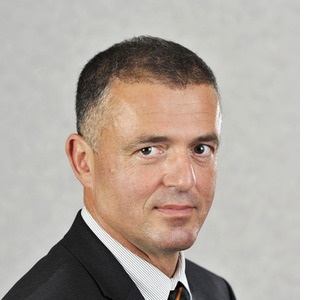
Dr Dusko Ilic
Dusko Ilic is a Senior Lecturer in stem cell science, coordinator of the cross-divisional postgraduate program in stem cells and regenerative medicine, and Head of the Induced Pluripotent Stem Cell Core Facility at King’s College London (London, UK). He is also Head of the Assisted Conception Unit’s Human Embryonic Laboratories at Guy’s Hospital (London, UK). He is also a member of the editorial board of the journal Regenerative Medicine, where he writes the Industry Report, a regular feature compiling information from non-academic institutions in the field of stem cells and regenerative medicine.