International Women’s Day 2022: an interview with Zaida Uribe-Wandurraga
Biography:
Zaida Natalia Uribe-Wandurraga was born in San Gil (Santander, Colombia). She obtained a Bachelor’s degree in chemical engineering at the Universidad Industrial de Santander (Bucaramanga, Colombia). After her Bachelor’s degree, she earned a Specialist Diploma in food science and technology at Universidad Nacional de Colombia (Bogotá, Colombia), where her research focused on obtaining fish protein hydrolyzate from red tilapia residues.
She has worked in research, development and innovation within the food sector in Colombia. She has also participated in the planning, implementation and kick-starting of new production processes, whilst working closely with supply chains, marketing and sales. In addition, she has experience in personnel management, administration and business organization. Coming from a family that produces coffee on their farm in San Gil, she also has experience with coffee planting and harvesting, the production processes to obtain the dry grain of Colombian coffee and its subsequent sale.
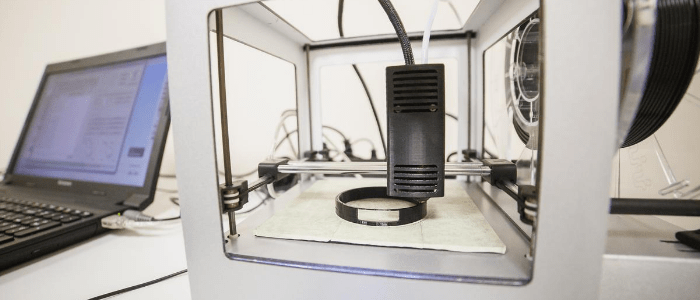
After working in the food industry, she went on to earn her Master’s degree in food science and engineering with a specialization in process and product engineering at the Universitat Politécnica de Valéncia (Spain). As part of her Master’s thesis at the Food Innovation and Investigation group of the Universitat Politécnica de Valéncia, she evaluated the antimicrobial capacity of a bioconservative powder obtained from starter cultures for meat products. She then earned a PhD in food science, technology and management at the Universitat Politécnica de Valéncia, where she was working on formulating new food products utilizing microalgae biomass as an ingredient. In particular, she focused on researching and obtaining food products utilizing 3D printing. Currently, she is a guest researcher at the Universitat Politècnica de València.
Could you please introduce yourself and tell us a little about your career?
I am a chemical engineer with a Master’s degree in food science and engineering and a PhD in food science, technology and management. I am also a guest researcher at the Universitat Politècnica de València, with experience in new food product research and development. I also have experience in design and knowledge of food product–process interactions, both in the industry and in academia. I am highly interested in planning and generating nutritional concepts, products and processes and making connections with consumer needs. During the last few years, I have been working on formulating new food products utilizing microalgae biomass as an ingredient. More specifically, I have worked on the formulation and study of microalgae in relation to 3D-printed food. Additionally, I am originally from Colombia and consequently I have become increasingly interested in conducting research that has global implications, particularly those relevant to developing nations. I am also passionate about implementing inclusive strategies to train and support the next generation of STEM professionals.
What excites you the most about your job?
What excites me about my job is the opportunity to work in a group where we can materialize all the ideas generated from projects conducted with other research groups working in the food industry. I am also excited by considering the current food industry market, trends and consumers. This can be in terms of research and concept development or in terms of trying to bring our ideas to the market. I also like to involve students so that they generate their own ideas as they develop their theses or their work in internships as well as guiding their work and teaching them new techniques.
What challenges do you face day-to-day as a woman and how do you balance these with your working life?
The challenge of reconciling work and family. Most of us young scientists or researchers begin our careers with salaries and positions almost equal to men. However, as the years go by, we must start juggling work and family life. This work requires much more time than the hours spent in the office or in the laboratory and therefore growth at the professional level is affected.
What advice would you give to young women wanting to enter into STEM careers?
Be curious! Young women are creative and have a positive impact on the world. If you are curious about the events happening around us, it is best to ask the educators and leaders around you questions. If this is not enough, find a mentor or figure in the field you are interested in to guide you towards the right resources. You can also sign up for science groups at universities, diverse organizations on the internet or even at city halls. It is important to be persistent in this search. Many girls and young women don’t realize that STEM careers can give them exactly the opportunities that they are looking for!
What can STEM employers do to help close the current gender gap?
Allow employees to work from home and consider changes in meeting structures or working hours. Companies must trust their employees to do great work instead of micromanaging them and start to measure employee performance based on output rather than hours.
Companies could also improve mentorship opportunities and invest in leadership training and other networking opportunities. Especially for women working remotely, these types of opportunities offer the chance to connect with other women in their field.
Additionally, companies should create an environment in which women’s accomplishments are recognized and women are promoted based on the merit of their work.
Companies should also promote and support the great women in STEM that are already in their organization. This is the best way to attract more brilliant team members and keep current ones on board.
Who is your inspirational hero?
As a Colombian, my inspirational hero is the Colombian medical scientist and epidemiologist Nubia Muñoz (University of Valle, Cali, Colombia), whose work was instrumental in establishing that human papillomavirus (HPV) infection is the principal and necessary cause of cervical cancer and led to her nomination for the Nobel Prize in Medicine in 2008. Furthermore, her work has been a true catalyst for vaccine development and subsequent application throughout the world, including in highly affected countries. Regarding her story, she was the only woman in her family of five children. She went to college, being one of only four women enrolled on her academic program and one of only two women to graduate. She ranked first place in the 6 years of her medical studies, which allowed her to study without paying tuition, motivated by helping herself and her family, but also because she had a great interest in infectious diseases and their impact in Colombian society. In 1970, she was quickly recruited to the International Agency for Research on Cancer (IARC, Lyon, France) and in the mid-1980s, she took control of her own unit at IARC, where she faced challenges for being a woman and for being from Latin America.