Ioning it out: restoring the blood–brain barrier after ischemic stroke
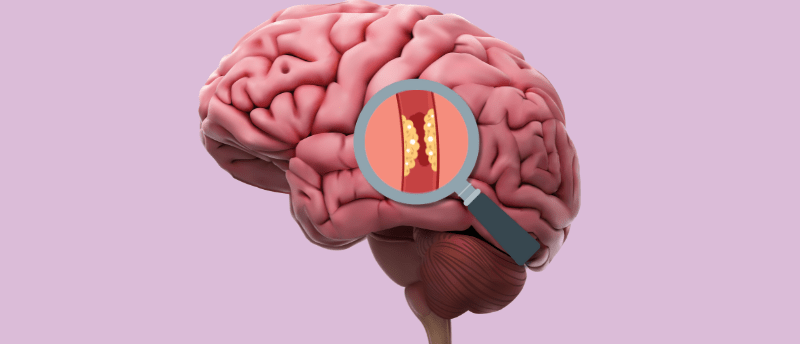
A new approach to treating ischemic stroke could offer new hope for restoring normal brain function.
In a recent study scientists at Baylor College of Medicine and the Jan and Dan Duncan Neurological Research Institute (Duncan NRI) at Texas Children’s Hospital (all TX, USA) have discovered that an ion transporter protein that regulates the pH of astrocytes can repair the blood–brain barrier and potentially restore normal brain function following ischemic stroke. This study, which was carried out on a mouse model, is the first to identify new and specific therapeutic targets for ischemic stroke and associated brain conditions that currently have no treatments.
Each year, across the globe, ischemic stroke affects approximately 15 million individuals and is a leading cause of death and disability. Individuals with damaged blood–brain barriers often face severe conditions such as brain edema, neuronal damage and deficits in motor and cognitive abilities. Understanding the blood–brain barrier is crucial to developing strategies to repair it and restore normal brain function.
“Disruption of the blood–brain barrier integrity is a pathophysiological hallmark of stroke and several devastating neurological disorders…not much was known about the molecular mechanisms leading to stroke prior to this study,” commented Hyun Kyoung Lee (Duncan NRI), investigator of the study.
While endothelial cells form the fundamental components of the blood–brain barrier, recent research has highlighted that astrocytes, supporting cells in the CNS, play a key role in the maintenance of its integrity. Alongside this, the need for pH homeostasis has also been shown to be essential to brain function, and a sudden drop in pH is closely associated with ischemic stroke.
However, we don’t currently understand how astrocytes contribute to the blood–brain barrier’s integrity, or why the correlation between pH and stroke exists. As such the research team aimed to determine the precise reasons for pH dysregulation-related stroke and the specific roles of cells involved in the stroke process.
 Novel vector delivers genes across the blood–brain barrier
Researchers have developed a novel gene therapy that exploits the human transferrin receptor to successfully cross the blood–brain barrier.
Astrocytes are enriched with sodium-carbonate cotransporter 1 (Slc4a4), which is important for bidirectionally transporting acid-base ions across the cell membrane to regulate intra- and extracellular pH in response to internal and external stimuli. Variants in Slc4a4 have been linked to many brain disorders, including ischemic stroke.
To investigate the biological role of Slc4a4, on astrocyte-endothelial cell interactions in blood–brain barrier maintenance and repair post-stroke, the team generated a conditional mouse model of Slc4a4, that allowed them to knock out Slc4a4 in the astrocytes of the brain, either during the mice’s development or in adulthood.
The scientists found compelling evidence that the absence of astrocytic Slc4a4 disrupted the blood–brain barrier. Specifically, the structure and function of astrocytes were altered, leading to a greater than 40% increase in the diameter of blood vessels in the brain, a three-fold increase in the number of small molecules infiltrating the brain and a loss of junctional markers.
The team employed a cortical photothrombotic stroke model in Slc4a4 animal models to evaluate the significance of Slc4a4 in remodeling the blood–brain barrier post-ischemic stroke. This model, chosen for its ability to mimic ischemic stroke injury in humans, replicates similar size, location and scar-like inflammatory responses known as reactive gliosis.
They observed that the loss of astrocytic Slc4a4 led to increased secretion of CCL2, a pro-inflammatory molecule. This, in turn, activated the CCR2 receptor present on nearby endothelial cells, which increased permeability, damaged the blood–brain barrier and increased leakage between the two cell types. Next, they discovered that elevated levels of specific metabolites (arginine and nitric oxide) mediated the breakdown of the blood–brain barrier due to alterations in astrocytic pH levels.
This novel study reveals that the ion transporter protein Slc4a4 plays a critical role in maintaining and repairing the blood–brain barrier after ischemic stroke. By identifying the precise mechanism and key components involved in the breakdown of the blood–brain barrier after stroke, this study has potentially opened new opportunities for developing treatments through therapeutic targets for ischemic stroke and several associated brain pathologies.