Lab-grown blood stem cells could enhance bone marrow transplants
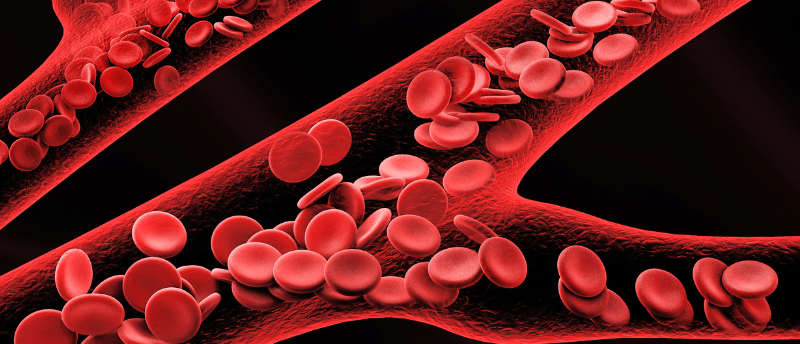
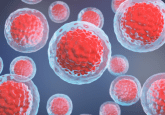
Researchers based at the Murdoch Children’s Research Institute (MCRI; Melbourne, Australia) have developed a better way to engineer hematopoietic stem cells in the lab that could be suitable for human transplantation.
Numerous blood-based diseases, such as bone marrow failure disorders or cancers like leukemia, ultimately necessitate bone marrow or blood stem cell transplants given to patients from healthy donors. However, it is often tricky to find a donor whose cells are a sufficient genetic match to those of the patients and transplant recipients can be left vulnerable to a range of issues like transplant rejection and graft-versus-host disease.
The use of hematopoietic stem cells derived from patients’ own induced pluripotent stem cells (iPS cells) offers the potential for novel treatments, which do not confer a risk of rejection. But, until now, researchers have struggled to manufacture these cells in vitro at a sufficient scale and purity to be reinfused back into the patient for clinically effective treatment. Such challenges are partly attributable to distinguishing which cells are developing into the correct type for the formation of adult blood cells.

Novel nanosensing platform helps distinguish faulty adeno-associated viral vectors
Researchers have introduced an innovative nanosensing method to assess the properties of viral vectors.
Recently, researchers have identified a specific genetic marker expressed by these desirable cell types. Through specific culturing methods, expression of these genes can be induced in iPS cell populations, guiding cells towards developing into the correct blood stem cell type for transplantation. The team at MCRI have utilized this technique to develop large cohorts of hematopoietic stem cells that closely mimic those found in human embryos. Researchers tested these engineered cells in immunodeficient mice and demonstrated them to be capable of developing into functional bone marrow, comparable to the levels observed in umbilical cord blood cell transplants. Additionally, the engineered cells could survive being frozen and defrosted prior to infusion – an important logistical step in the transplantation process in humans.
“By perfecting stem cell methods that mimic the development of the normal blood stem cells found in our bodies, we can understand and develop personalized treatments for a range of blood diseases, including leukemias and bone marrow failure,” explained co-author Ed Stanley (MCRI).
The team are hoping to progress their lab-grown cells to a Phase I trial within the next 5 years, to test their safety when transplanted in humans.