New bioactive material promotes cartilage repair
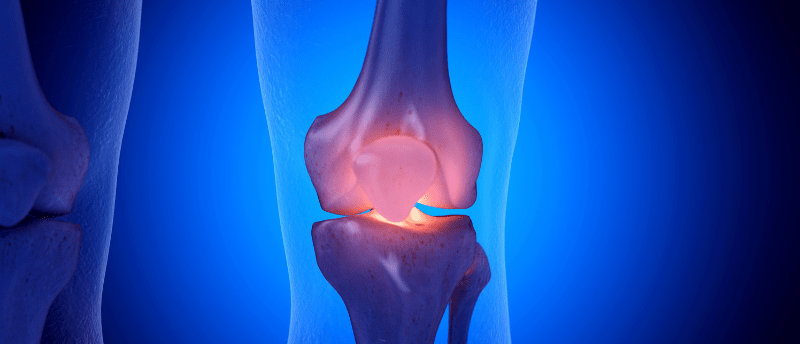
Researchers have developed a new material to promote cartilage repair and long-lasting joint health.
A research team at Northwestern University (IL, USA) has developed a new bioactive material that replicates the natural environment of cartilage and promotes the formation of hyaline cartilage, which optimizes joint function. This new bioactive material could revolutionize the treatment options for cartilage injuries.
Cartilage, an essential component of joints, can be susceptible to damage through injury or wear and tear, affecting mobility and potentially leading to replacement surgery or long-term conditions such as osteoarthritis. Current treatment methods for cartilage injuries can be nonsurgical or surgical depending on the circumstances. For procedures such as open-joint or arthroscopic surgeries, surgeons create multiple holes in the bone to stimulate new cartilage growth. However, this approach often results in the formation of fibrocartilage which is less optimal for joint function than the desired hyaline cartilage.
To tackle this issue, the researchers strategically incorporated transforming growth factor beta-1, a protein for cartilage growth and maintenance, with modified hyaluronic acid, a compound naturally found in cartilage that acts as the lubrication synovial fluid in joints. The design of this hybrid biomaterial guides nanoscale fibers to organize into bundles that mimic the natural structure of cartilage, presenting as an effective scaffold for the body’s cells to form new cartilage tissue. The material utilizes bioactive signals in the nanoscale fibers to promote cartilage repair by the cells that migrate into the scaffold.
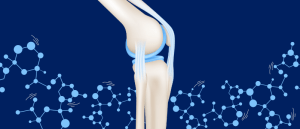 The regenerative effects of ‘dancing molecules’ on cartilage
Researchers have utilized a previously developed injectable therapy to stimulate cartilage regeneration following cartilage damage.
To assess the effectiveness of their new biomaterial, the scientists used an animal model with similarities to the human knee – the stifle joint of sheep. They injected the biomaterial into the cartilage defects in the stifle joints and observed the transformation of the biomaterial, which was once thick and paste-like, into a rubbery matrix.
Over the course of 6 months, as the scaffold degraded in the sheep, new cartilage containing natural biopolymers grew to fill the defects in the stifle joints. Incredibly, the newly formed cartilage was of higher quality compared to the control group. Not only did the researchers formulate a therapy that can promote cartilage repair, but their approach successfully regenerated hyaline cartilage formation.
Looking ahead, the team anticipates that with more development, the material could revolutionize the treatment of cartilage damage, offering the potential to provide an alternative repair method that can reduce the likelihood of full knee replacement surgery, treat degenerative diseases and more effectively treat sports-related injuries.
“By regenerating hyaline cartilage, our approach should be more resistant to wear and tear, fixing the problem of poor mobility and joint pain for the long term while also avoiding the need for joint reconstruction with large pieces of hardware,” said Samuel Stupp, who led the team.