Potential CAR-T therapy for intestinal regeneration
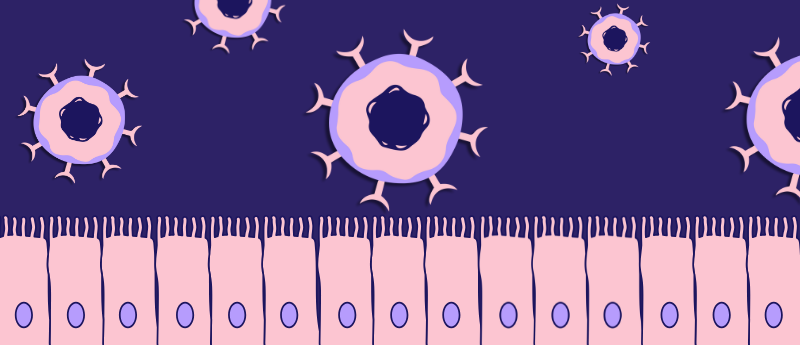
Harnessing CAR T-cell therapy for rejuvenating the aging gut and healing long-term intestinal damage.
Researchers from the Cold Spring Harbor Laboratory (CSHL; NY, USA) have discovered a potential way to promote tissue regeneration in aging intestines using CAR T-cell therapy. By targeting a type of epithelial cell that accumulates over time, the therapy demonstrated improved barrier function, increased regenerative capacity and reduced inflammation in aged mice. The study revealed insights into intestinal aging and highlighted the potential of immune-based cell therapies to improve gut health in patients with certain age-related conditions.
The intestine is a vital organ lined with a single layer of cells known as the intestinal epithelium. This epithelium has one of the highest rates of self-renewal, typically regenerating every three to five days, a process driven by intestinal stem cells. However, factors such as aging or damage from cancer treatments like radiation can impair or slow down this regeneration, leading to inflammation and increasing the risk of conditions such as leaky gut syndrome.
Previously, the CSHL team from Corina Amor Vegas’s lab identified the urokinase plasminogen activator receptor (uPAR) as a marker of senescence – a state in which cells permanently stop dividing due to stress or damage – in both young mice with acutely induced senescence and mice with naturally aged tissues such as the liver and pancreas. Other studies have further validated the association between uPAR and cellular senescence, positioning uPAR+ cells as a potential target for senescence cells. However, the lack of specific and effective tools to target uPAR+ cells in vivo limited the ability to study their role in aging, tissue regeneration and intestinal biology.
 Can diabetic nerve damage be reversed?
A research team from the University of Cologne (Germany) has uncovered a key mechanism that explains why nerve regeneration is so limited in diabetes.
To address this limitation, the team utilized CAR T-cell technology. CAR-T cells are a form of immunotherapy in which T-cells are modified to specifically target and destroy certain cells. In this case, the researchers designed CAR-T cells to selectively eliminate uPAR+ cells in the intestines – anti-uPAR CAR-T cells. At the time of the development of anti-uPAR T-cells, their intention was to find a way to improve the metabolism of mice with senescent intestinal cells.
Now, in this study, they sought to question whether targeting senescent cells using anti-uPAR CAR-T cells could help rejuvenate the intestine. The team found that uPAR+ cells can accumulate in the intestines of both mice and humans during physiological aging.
For this study, they intravenously infused these CAR-T cells into the intestines of both young and old mice. After 20 days post infusion, the researchers found that the uPAR CAR T cells were present in higher numbers in the aged mice and presented a cytotoxic effector/effector-memory T cell phenotype, which suggested that the CAR-T cells were recognizing uPAR+ cells in the tissue. They observed that the administration of anti-uPAR CAR T cells led to a decrease in the number of uPAR+ cells in the aged uPAR CAR T-treated mice compared to the control group.
In addition, the team also found that the removal of uPAR+ cells led to improvements in the intestinal epithelial barrier integrity, improving barrier function associated with leaky gut syndrome. They also saw an increase in the number of stem cells and proliferation and improvements in lipid absorption.
“In both cases, we see really significant improvements,” Amor Vegas commented. “They’re able to absorb nutrients better. They have much less inflammation. When irritated or injured, their epithelial lining is able to regenerate and heal much faster.”
To further investigate the effects of anti-uPAR CAR T cells on intestinal regeneration after injury, the team simulated abdominal radiation therapy in mice by irradiating the mice’s epithelial cells. They found that anti-mice recovered significantly better than the mice that did not receive the CAR-T cells. Impressively, a single administration of the CAR T-cell therapy was still detectable in anti-uPAR CAR T-treated mice’s at least a year, and the team observed significantly decreased intestinal permeability as wells as an increase in the number of stem cells and proliferating cells in the mice upon again, highlighting its long-lasting benefits.
The team also discovered compelling evidence that anti-uPAR CAR T-cells promote regeneration in human intestinal and colorectal cells, according to first author Onur Eskiocak. While the exact mechanisms behind this effect remain unclear, the findings are highly promising and suggest significant therapeutic potential.
“This is one good step toward a long journey in understanding how we can better heal the elderly,” said CSHL Assistant Professor Semir Beyaz.