Targeting pathological proteins: gene therapy for neurodegenerative diseases
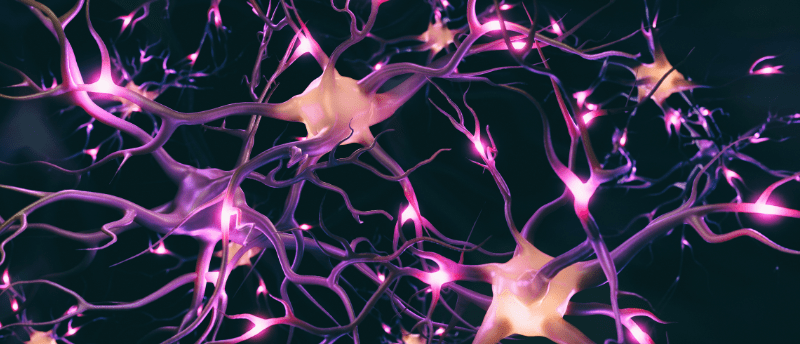
A novel gene therapy that clears pathological buildups of TDP-43 protein from the cytoplasm of brain and spinal cord cells has halted the progression of frontotemporal dementia and amyotrophic lateral sclerosis in mice.
Researchers at Macquarie University (Sydney, Australia) have developed a gene therapy that could be used to inhibit the progression of amyotrophic lateral sclerosis (ALS) and frontotemporal dementia (FTD).
ALS and FTD both presently lack an effective cure and are ultimately fatal. ALS, also known as motor neuron disease, is characterized by a continual degeneration of motor neurons in the brain and spinal cord. Patients experience a progressive decline in muscle function, eventually rendering them unable to walk, speak, swallow and breathe independently. FTD is the second most common type of dementia in younger sufferers. It leads to a gradual loss of cognitive function, including memory and language loss and changes in behavior and mood. It also renders sufferers more susceptible to certain physical harms, such as falls and pneumonia.
Both diseases are associated with a pathological buildup of TDP-43 protein in the cytoplasm of cells in the brain and spinal cord. The research group at Macquarie uncovered an interaction between TDP-43 and another protein, 14-3-3, which leads to this cytoplasmic buildup of TDP-34.
Capitalizing on this interaction, the researchers developed a novel gene therapy product, CTx1000, which tags TDP-43 for degradation, resulting in a clearing of harmful cytoplasmic buildup.
The research group trialed CTx1000 in mice. They observed a halt in the progression of both ALS and FTD symptoms, even in more advanced cases. Additionally, because the treatment only targets the pathological form of TDP-43, leaving the healthy form intact, it is thought to be immensely safe.
The trial also showed an excellent safety profile, with no adverse events seen in the mouse subjects. “We have great hopes that when this progresses to human trials, it will not only stop people from dying from both [ALS] and FTD, but even allow patients to regain some of the lost function through rehabilitation,” reports Yazi Ke, lead author of the study.
The researchers are keen to progress CTx1000 to clinical trials. They hope that these promising results could be translated to gene therapy for other diseases, including other forms of dementia like Alzheimer’s Disease.
You may also like:

Unearthing a therapeutic role for an ancient neuropeptide
A team of Harvard Medical School (MA, USA) researchers have used an evolutionarily conserved neuropeptide, α-melanocyte-stimulating hormone, to restore corneas in mice models of corneal endothelial disease.