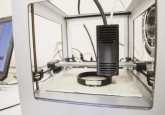
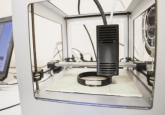
The price is right: inexpensive ultrasound device can be 3D-printed in-house

Researchers have developed a 3D-printed device that makes the focused ultrasound (FUS) technique more accessible in preclinical research, potentially opening the door to further developments in highly targeted therapeutic treatments.
Researchers from Washington University (MO, US), led by Professor Hong Chen, have refined the FUS technique by creating an affordable, easy-to-use FUS transducer. This will allow researchers to utilize the FUS technique in preclinical trials, possibly leading to innovative, non-invasive and personalized treatments.
The blood–brain barrier (BBB) is a semipermeable barrier that only allows small molecules to cross into the central nervous system. While this is a highly effective protective mechanism, it causes issues when it comes to research into therapeutics and drug delivery for several diseases.
FUS has emerged as a promising technique to overcome this problem. It allows users to focus concentrated ultrasound beams to allow for the high precision targeting of tissues, which are monitored during the process by the utilization of magnetic resonance imaging.
Though a promising technology, current FUS devices are large, expensive and lack precision. As a result, their utilization in wider scientific research has been limited. A team of researchers has created a device to specifically address these issues.
Their FUS transducer has been designed to be an accessible, cheap and highly accurate alternative to current devices. Elements of the transducer can be made utilizing a 3D printer, with the total production cost of the transducer coming to just USD $80. The design is available on Github and can be combined with standard stereotactic frames, allowing it to be utilized on mice in preclinical research.
Hong Chen reported that: “This device could be manufactured by research groups without ultrasound background and utilized in various applications in preclinical research with minimal training needed.”
To demonstrate the effectiveness of the FUS transducer, the team measured the BBB opening and drug delivery volume in mice at different frequencies and under a range of acoustic pressures utilizing contrast-enhanced MRI.
The results showed that the device was effective and safe to utilize, with Chen concluding, “we showed that under the same pressure level, a higher-frequency FUS transducer achieved a small drug delivery volume, improving the spatial precision of BBB opening compared with what has been achieved with lower frequency transducers.”
Professor Chen and her team hope that the FUS technique will now be more readily utilized in preclinical research on the development of targeted therapeutic treatments.
Reference: https://source.wustl.edu/2022/02/low-cost-3d-printed-device-may-broaden-focused-ultrasound-use/