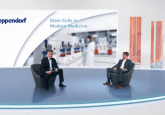
Engineering MSC-derived exosome mimetics for bone regeneration: an interview with Jiabing Fan
In this interview, Jiabing Fan discusses the challenges of stem cell-based therapies for skeletal tissue repair and introduces MSC-derived exosome mimetics as a promising solution. He highlights their advantages, the design process, and their potential beyond bone regeneration, while addressing hurdles in clinical translation.
[00:50] What are the primary challenges currently facing stem cell-based therapies in skeletal tissue repair, and how significant are these limitations in clinical practice?
[02:45] Can you explain what MSC-derived exosome mimetics are and how they solve some of the challenges of traditional stem cell-based therapies?
[04:19] What specific advantages do these engineered mimetics offer over traditional exosomes?
[05:08] Can you walk us through the design process of MSC-derived exosome mimetics? What key properties are you engineering into these systems?
[07:07] What potential do you see for these systems beyond bone regeneration? Are there other therapeutic areas where this technology could be applied?
[08:50] What are the main hurdles you anticipate in translating this technology from the laboratory to clinical applications?
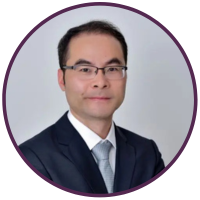 Jiabing Fan
Assistant Professor
University of Maryland Eastern Shore (MD, USA)
Jiabing Fan obtained his PhD in Stem Cells and Tissue Engineering at Sun Yat-sen University (Guangzhou, China) in 2010. While completing his PhD, he served as a visiting graduate scholar in Bioengineering at Nanyang Technological University (Singapore) between 2008 and 2009. From 2010 to 2015, he received his postdoctoral training at Harvard University (MA, USA) and University of California, Los Angeles (UCLA; LA, USA). After that, he worked as Project Scientist/Assistant Adjunct Professor at UCLA.
Fan has a broad research background in stem cells, tissue engineering, drug/gene delivery, biomaterials, and molecular pharmaceutics. He has received the Outstanding Mentorship Award at UCLA, the Peter Geistlich Research Award from the Osteo Science Foundation (NJ, USA), and was the Joseph Lister Award for New Investigators runner-up at the 2022 American Association for Dental, Oral, and Craniofacial Research/Canadian Association for Dental Research Annual Meeting.
Fan’s research focuses on translating genetic and molecular findings to develop novel therapeutic approaches for craniofacial bone repair and regeneration, as well as age-related bone loss disease treatment, applying advancements in stem cells and nanotechnologies to the creation of effective molecular therapies for potential clinical osteoporosis treatment.
The opinions expressed in this interview are those of the interviewee and do not necessarily reflect the views of RegMedNet or Taylor & Francis Group.