USP Standards for plasmid DNA: quality control in cell and gene therapy
Discover the role of plasmids as starting materials in cell and gene therapies and how to ensure quality with manufacturing standards.
This webinar will explore the importance of plasmid DNA characterization and control strategies to support the quality and safety of therapeutic products.
Plasmids are essential for producing adeno-associated virus (AAV) and other cell and gene therapy products, requiring relevant manufacturing guidelines and standards.
In this webinar, join experts from United States Pharmacopeia (USP) to learn about their efforts in setting manufacturing standards for plasmid DNA, including highlights from the USP General Chapter <1040> “Quality considerations for plasmid DNA as a starting material for cell and gene therapies“. In addition, this session will also discuss new and upcoming USP reference materials for applications like residual plasmid quantification and DNA topology.
What will you learn?
-
Quality considerations for plasmid DNA as a starting material for cell and gene therapies
-
USP’s Analytical Reference Materials (ARMs) to detect and quantitate residual plasmid DNA
-
USP’s Analytical Reference Materials to assess plasmid topology
Who this may interest?
-
Analytical scientists
-
Lab personnel in research and development, manufacturing and production
-
Scientists and managers of manufacturing and contract research organizations
-
Quality assurance and quality control specialists and auditors
-
Regulatory professionals
Speaker
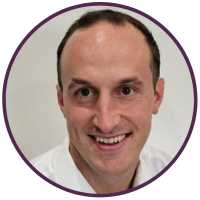 Anthony Blaszczyk
Senior Scientist II
US Pharmacopeia
Anthony Blaszczyk is in the Pipeline Development group within USP’s Global Biologics department. At USP, he works with scientific experts and stakeholders to develop new standards to support biopharmaceutical quality assessment and development. Prior to USP, Anthony worked at Catalent Cell and Gene Therapy (NJ, USA), where he managed an analytical development team responsible for the development, qualification and transfer of methods. He obtained his PhD in biochemistry from Penn State University (PA, USA) in 2018.
This webinar was recorded on Thursday 22 May 2025
In association with