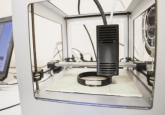
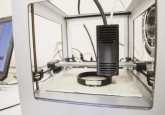
Novel 3D printing technique set to improve outcomes of transcatheter aortic valve replacement

A study based on a novel 3D printing technique developed by researchers at the Wyss Institute for Biologically Inspired Engineering at Harvard University (MA, USA) is set to improve transcatheter aortic valve replacement (TAVR). The software can accurately measure the size of the aortic valve and produce a personalized 3D printed valve as a replacement. Studies have previously found that more than one in eight people that are aged 75 and older experience moderate-to-severe blockage of the aortic valve in their hearts. Blockages are caused by calcified deposits that develop in the valve leaflets preventing them fully opening and closing....