World Sickle Cell Day 2026: current progress and developments

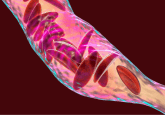
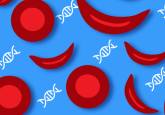
World Sickle Day, observed annually on June 19th, aims to raise awareness about sickle cell disease. Around 19,000 people in the UK and 100,000 people in the United States live with sickle cell disorder. In 2021, the World Health Organization reported that an estimated 7.74 million people live with sickle-cell disease globally.
For Sickle Cell Awareness Month 2025, we explored some promising advanced therapies candidates, and now, in this review, we’ll take a look at their current status and how the regenerative medicine and advanced therapies field has progressed to address sickle cell disease.
Approved therapies
Currently, there are two major cell and gene therapies approved to treat severe sickle cell disease. Casegevy, a CRISPR/Cas9 gene-editing therapy, is approved by the US Food and Drug Administration (FDA; MD, USA), UK Medicine and Healthcare products Regulatory Administration (MHRA) and National Institute for Health and Care Excellence (NICE). Lyfgenia, a lentiviral vector gene therapy, is approved by the US FDA.
While these approved therapies represent significant milestones, researchers continue to push the boundaries of what’s possible in treating sickle cell disease. Several promising candidates are advancing through preclinical and clinical development.
Therapies in development
Ristoglogene autogetemcel
Beam Therapeutics is currently developing its base-editing therapy aiming to increase the production of non-sickling and anti-sickling fetal hemoglobin. Formerly known as BEAM-101, ristoglogene autogetemcel (or risto-cel) is on track to submit US Biologics License Application (BLA) as early as the end of 2026. Beam Therapeutics continues to have encouraging results from its Phase I/II BEACON trial and has recently published data from the ongoing trial.
“In the data presented, risto-cel demonstrated an acceptable safety profile consistent with myeloablative conditioning, as well as very encouraging efficacy with rapid engraftment and induction of non-sickling fetal hemoglobin to levels sustained above 60% with concomitant reduction of sickle hemoglobin to below 40%, achieving a protective hemoglobin ratio similar to sickle cell trait,” explained Matthew M. Heeney, corresponding author of the publication. “These changes resulted in improved hemolysis parameters, resolution of anemia, and no reported severe VOCs following engraftment. Risto-cel has the potential to meaningfully alter the pathophysiology of the disease and improve outcomes for patients with SCD.”
In vivo program
Still in its preclinical stage, biotechnology company Tessera Therapeutics is pioneering a new approach in genetic medicine – Gene Writing™. The platform utilizes all-RNA constructs and is designed to write therapeutic messages into the genome by leveraging target-primed reverse transcription (TPRT) to efficiently change single or multiple DNA base pairs or add exon-length sequences or whole genes.
“Our latest data represent a significant advancement towards demonstrating the potential of an in vivo Gene Writing program as a transformative approach for genetic medicine. In non-human primates, a single dose of our Gene Writer achieved levels of editing in long-term hematopoietic stem cells that are well above the levels believed to be required for curative benefit in sickle cell disease. Notably, this was accomplished without stem cell mobilization, myeloablative conditioning, or transplantation,” said Michael Severino, CEO of Tessera Therapeutics. “In parallel, for the first time in multiple [non-human primate] species, we have shown that a single dose of Gene Writers formulated in T cell targeted LNPs successfully inserted a CAR permanently into the genome, which resulted in the generation of functional CAR-T cells directly in vivo with meaningful B cell depletion in blood and lymph nodes. Together, these results highlight the breadth and potential of our Gene Writing and delivery platforms.”
Expert insights on the field
Research and progress in sickle cell disease and thalassemia: a podcast with Baba Inusa
In this podcast, learn more about the research and progress in sickle cell disease and thalassemia from pediatric hematologist and Professor Baba Inusa. The discussion highlights the critical need for early screening in individuals with these disorders – both to drive research forward and to equip patients and caregivers with greater insight into managing these conditions. Listen now as Baba also examines emerging regenerative approaches in the field that are creating pathways for transformative change. These breakthroughs provide hope that extends beyond symptom management, targeting the underlying causes of these disorders.