Bioelectronics: could 3D printed composite materials trigger the next generation?
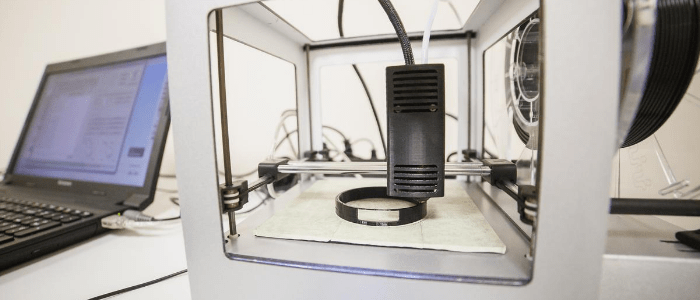
Bioelectronics and biotechnology may be approaching a generational shift as scientists 3D print stretchable metal composites using a novel 3D printing technique, that allows them to be printed on soft substrates at room temperature. Bioelectronics and biotechnology may be approaching a generational shift as scientists 3D print stretchable metal composites using a novel 3D printing technique, that allows them to be printed on soft substrates at room temperature. Scientists at National Institute of Science and Technology (UNIST; Ulsan, Korea) have reported success in developing the novel technique, that could lead to the production of ever-slimmer 3D interconnects, potentially further revolutionize the...